
Corrects copper deficiency
Restores bio-available copper in deficient soils — critical for chlorophyll, lignin synthesis and cereal grain set.
Copper(I,II) sulfite dihydrate (Cu₂SO₃·CuSO₃·2H₂O) — a stable, mixed-valence copper compound used as an agricultural micronutrient and as a precursor for next-generation copper-based crop-protection chemistry. Manufactured and exported worldwide by UREGOLD.
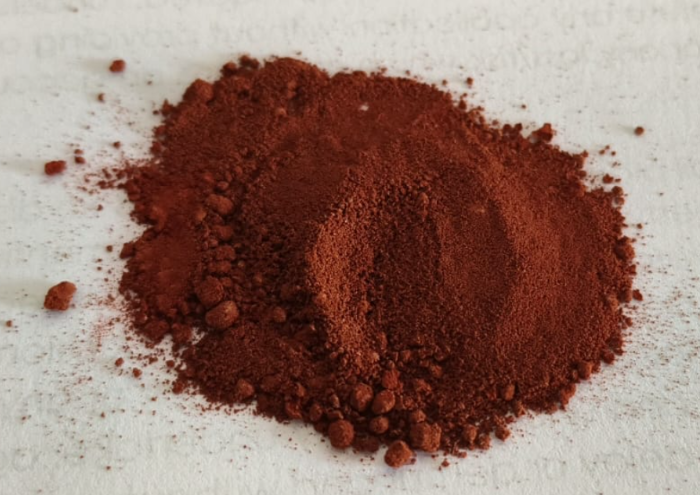
Restores bio-available copper in deficient soils — critical for chlorophyll, lignin synthesis and cereal grain set.
Mixed-valence Cu⁺/Cu²⁺ structure releases copper gradually, lowering the risk of phytotoxicity from a single high dose.
A modern precursor for copper fungicides and bactericides — comparable disease control with lower copper loading.
24-month shelf life in sealed packaging. Non-flammable, easy to store and ship under standard chemical logistics.
Soil & foliar copper micronutrient, organic-compatible programs.
Packaging: 25 kg HDPE bags · 500 / 1000 kg jumbo bags
Raw material for copper fungicide and bactericide formulations.
Packaging: 25 kg HDPE bags · 200 kg fiber drums
Laboratory, R&D and electronics applications.
Packaging: 1 / 5 / 25 kg sealed containers
| Property | Specification |
|---|---|
| Chemical formula | Cu₂SO₃·CuSO₃·2H₂O |
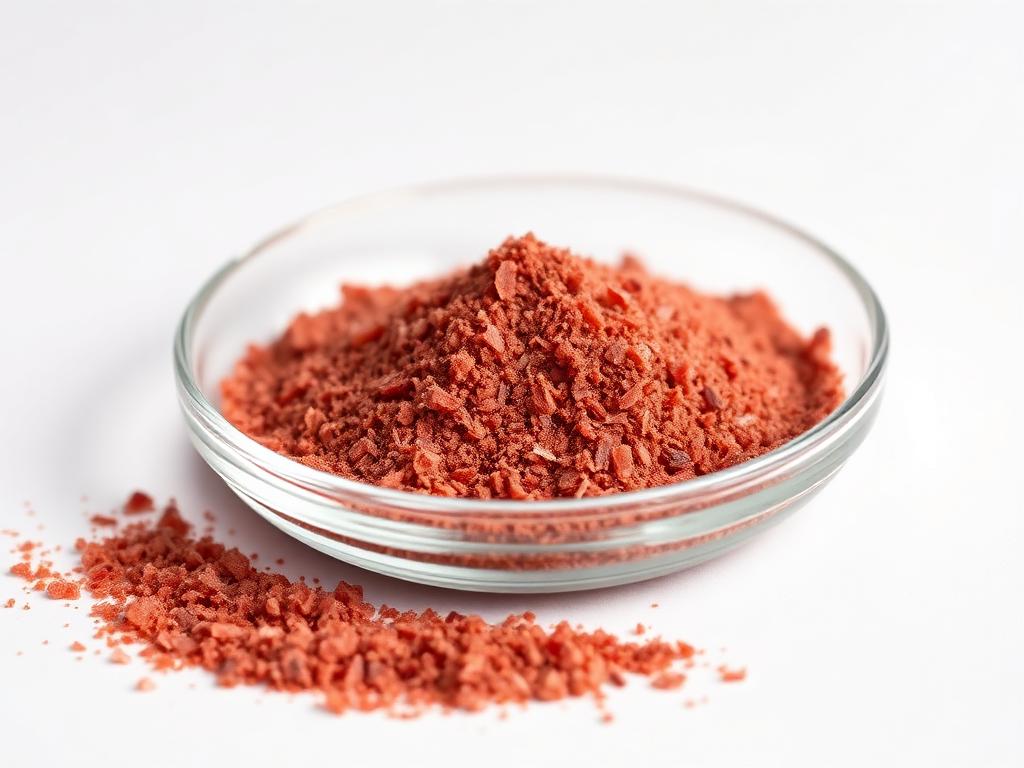
| Appearance | Brick-red crystalline powder |
| Copper content (Cu) | ≈ 50–53% w/w |
| Bulk density | 1.4–1.6 g/cm³ |
| Solubility in water | Practically insoluble (slow release) |
| Shelf life | 24 months in sealed packaging |
Always confirm copper status with a soil test (target 0.2–0.5 ppm DTPA-extractable Cu) and leaf analysis before applying. Follow the dosage on your supplier's technical datasheet and local extension advice — copper accumulates in soil over time.
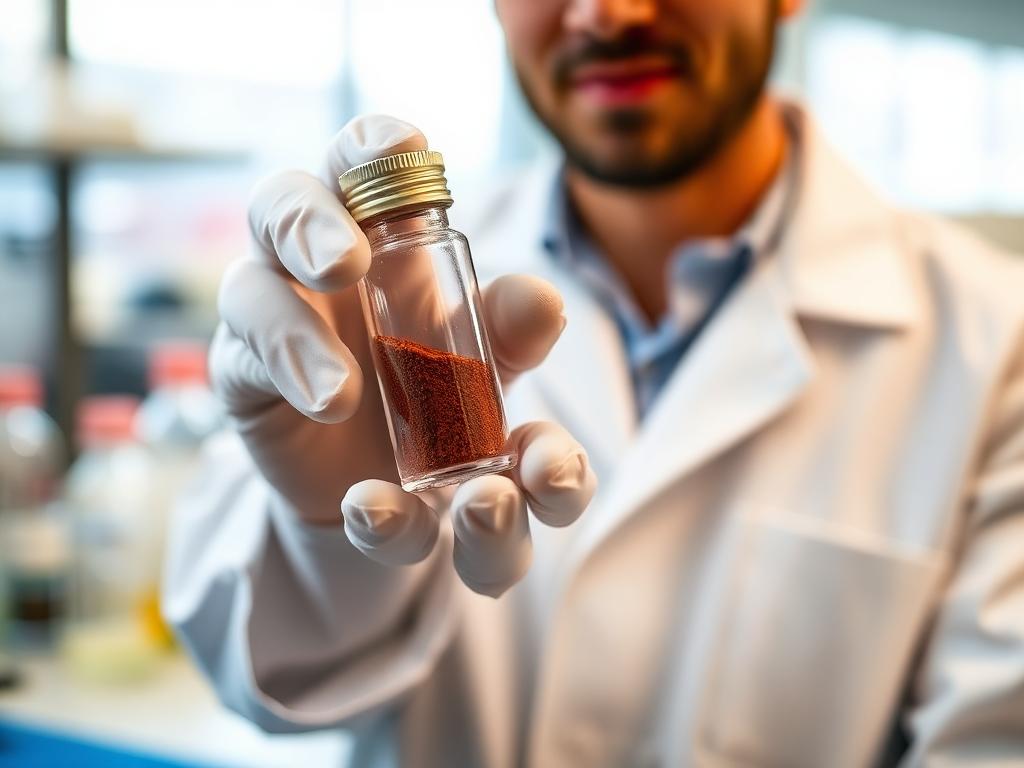

Common questions from agronomists, formulators and industrial buyers evaluating Chevreul's Salt.
Chevreul's Salt sits inside a wider micronutrient and slow-release fertilizer programme. Use the links below to dig deeper into copper deficiency in plants, compatible fertilizer chemistries and best-practice application guidance.
Identify copper deficiency symptoms in cereals, vines and citrus, and learn how a copper micronutrient programme based on Chevreul's Salt restores yield.
Read the copper deficiency guide Fertilizer typesCompare copper sulfite (Chevreul's Salt), copper sulfate, copper oxychloride and other micronutrient fertilizer types used in modern crop nutrition.
Browse fertilizer types Application guidanceFoliar vs soil application, timing, tank-mix compatibility and dosage rates for Chevreul's Salt and other copper-based crop inputs.
See application guidance Companion productPair copper micronutrition with our flagship slow-release nitrogen fertilizer for higher nitrogen use efficiency and balanced crop nutrition.
Explore PNP coated urea Companion productBoost flowering, fruit set and stress tolerance alongside a copper deficiency correction programme using PNP plant biostimulants.
Explore PNP biostimulant Field studiesReplicated trials and case studies showing yield response to copper micronutrient applications across cereals, vegetables and orchard crops.
Read the field studies