
2-PNP — root & shoot stimulation
Potassium 2-Nitrophenolate (CAS 824-38-4), 99.9% HPLC purity, orange crystalline solid.
UREGOLD manufactures the three agriculturally important Potassium Nitrophenolates — 2-PNP, 4-PNP and 5-PNP — at pharmaceutical-grade purity for global formulators of plant biostimulants, plant growth regulators and PNP coated urea.
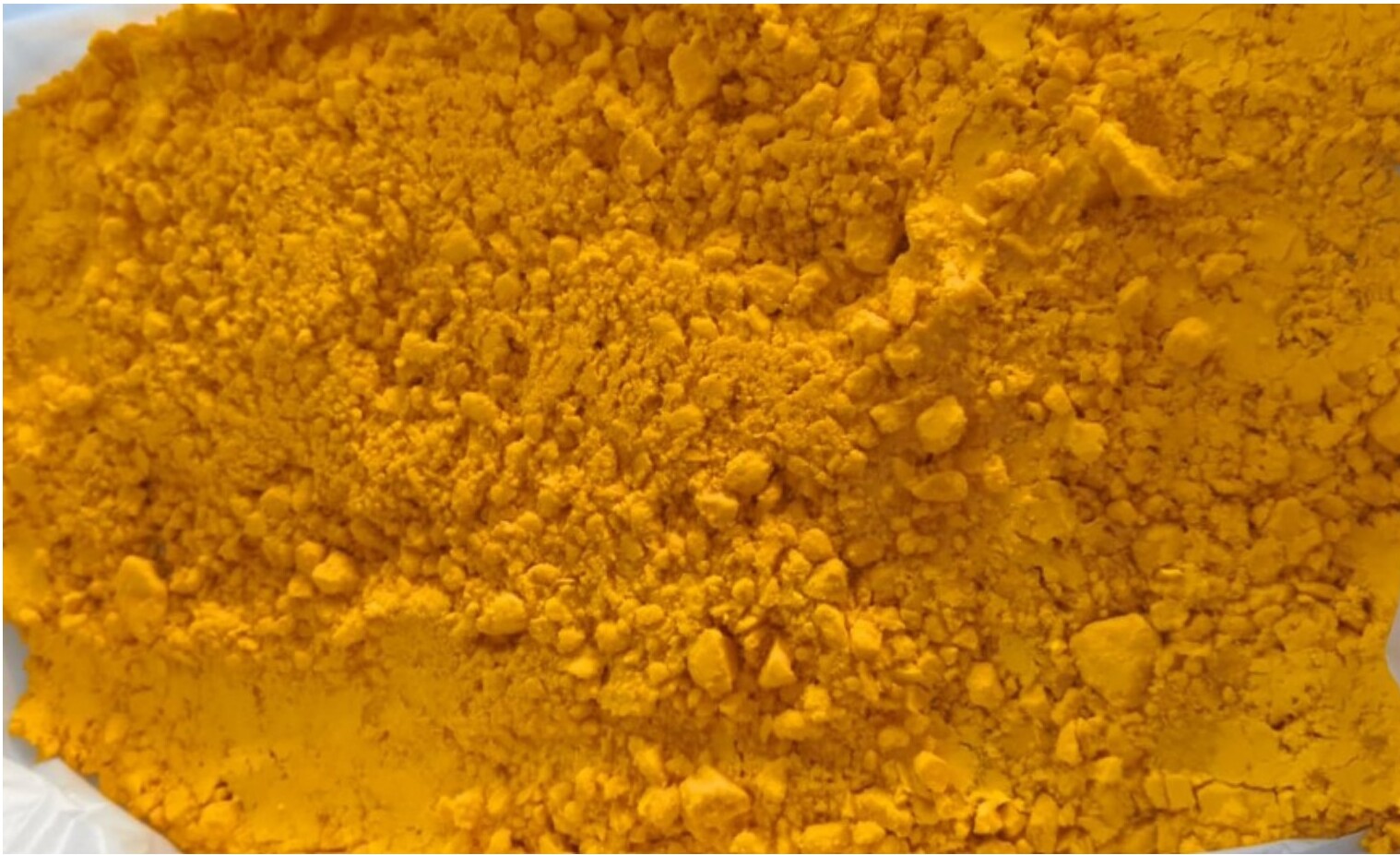
Potassium 2-Nitrophenolate (CAS 824-38-4), 99.9% HPLC purity, orange crystalline solid.
Potassium 4-Nitrophenolate (CAS 1124-31-8), 99.97% HPLC purity, yellow solid.
Potassium 5-Nitroguaiacolate (CAS 458434-58-2), 99.69% HPLC purity, red to maroon-red solid.
Custom 2-/4-/5-PNP ratios for biostimulants, foliar sprays and slow-release fertilizer coatings.
Every batch validated by HPLC purity tests and release-rate assays before dispatch.
Delivers crop-essential potassium with the same biostimulant nitrophenol — without sodium loading.
Reliable supply, regulatory-grade documentation and the agronomic profile your formulation needs.
How UREGOLD uses Potassium Nitrophenolates to coat urea for slow nitrogen release.
Read moreHow the PNP shell activates with moisture and delivers a four-stage release profile.
Read moreBio-efficacy trials with TNAU on paddy and maize using PNP coated urea.
Read morePNP coated urea plus 2-PNP, 4-PNP and 5-PNP technical specifications.
Read moreHow PNP coatings compare with polymer and sulfur coated ureas for modern agriculture.
Read moreRequest pricing, MOQ, COA and samples of 2-PNP, 4-PNP and 5-PNP.
Read moreFrequently asked questions about Potassium Nitrophenolates and their use as plant biostimulants and slow-release fertilizer coatings.
What Potassium Nitrophenolates actually are, how 2-PNP, 4-PNP and 5-PNP differ, and why this trio is the active backbone of modern bio-stimulant fertilizers.
A practical introduction to PNP coated urea — what the coating does, why it improves nitrogen efficiency, and how it differs from conventional urea and neem-coated urea.
Nitrogen use efficiency (NUE) measures how much of the nitrogen you apply actually ends up in your crop. Here is how to lift it — without sacrificing yield.