
Sustained 150–200 day release
One application supports the full crop cycle, replacing multiple top-dressings of conventional urea.
Slow-release and controlled-release ureas were invented to stop the two-thirds of nitrogen normally lost to volatilization, leaching and runoff. UREGOLD's PNP coated urea takes the idea further: a Potassium Nitrophenolate coating that releases nitrogen across 150–200 days AND delivers a biostimulant effect — with no polymer microplastic load.
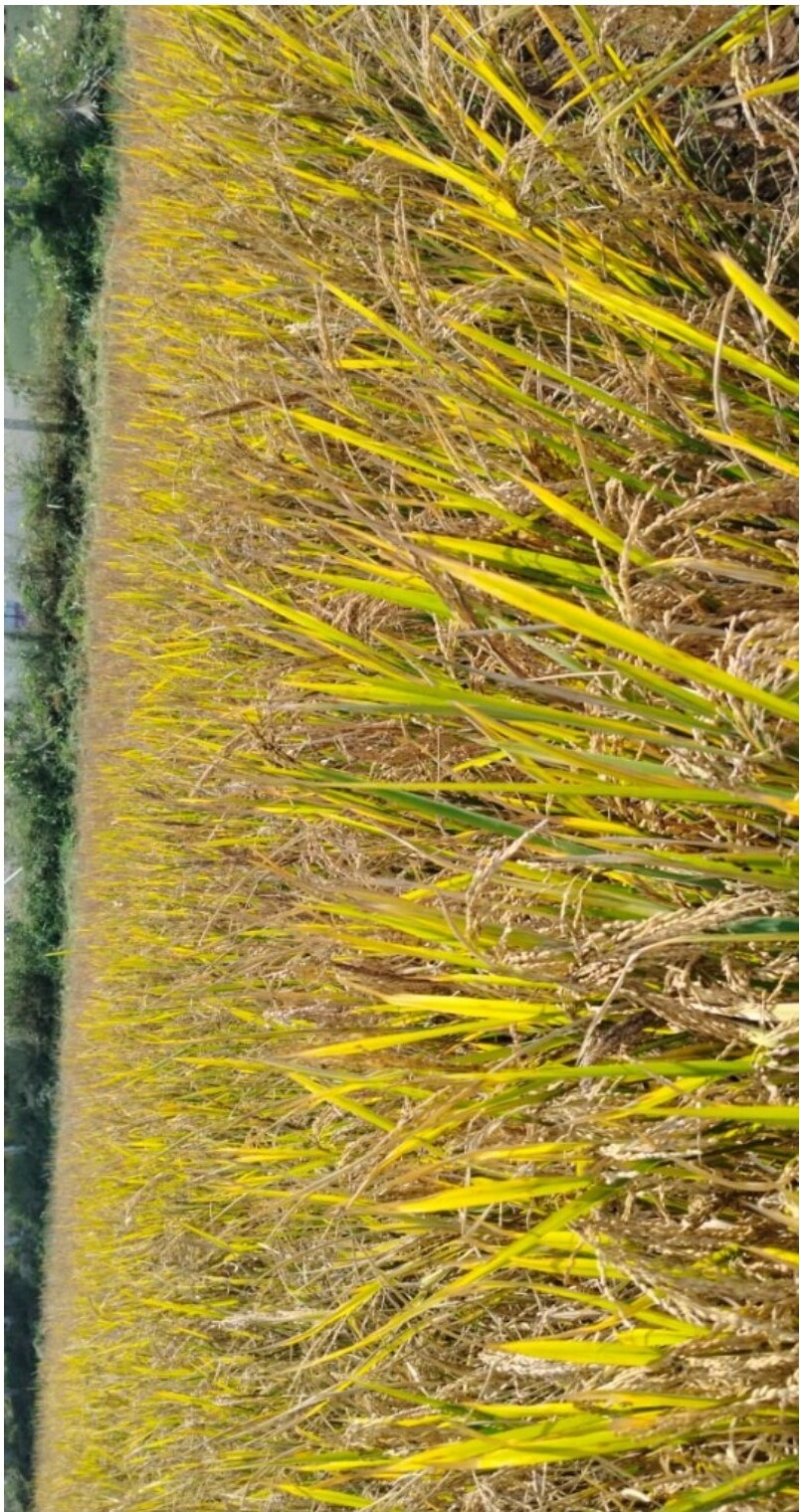
One application supports the full crop cycle, replacing multiple top-dressings of conventional urea.
More of every kilogram of nitrogen reaches the plant instead of the atmosphere or groundwater.
Match or beat conventional urea yields with significantly less nitrogen applied per acre.
Reduces ammonia volatilization and nitrous oxide — the most potent agricultural greenhouse gas.
Unlike polymer-coated urea, the PNP shell is a soluble, biodegradable Potassium Nitrophenolate — not plastic.
Released PNP and potassium drive germination, root growth and chlorophyll synthesis from day one.
Slow-release urea pays off fastest on long-cycle, nitrogen-hungry crops and on soils prone to leaching.
Specifications, coating technology and field-trial results for UREGOLD's flagship slow-release urea.
Read moreA four-stage moisture-activated release mechanism — independent of soil pH and soil type.
Read moreThe 2-PNP, 4-PNP and 5-PNP active ingredients used to coat UREGOLD's slow-release urea.
Read moreWhy farmers and agronomists switch to slow-release PNP coated urea.
Read moreTrial design, treatments and yield data from paddy and maize field studies.
Read moreTalk to our team for product specifications, MOQ and global supply.
Read moreThe most common questions about slow-release urea, controlled-release urea and how PNP coatings compare.
Not all coated urea is the same. A side-by-side look at sulfur, neem, polymer and PNP coated urea — and where each one wins.
A practical introduction to PNP coated urea — what the coating does, why it improves nitrogen efficiency, and how it differs from conventional urea and neem-coated urea.
Nitrogen use efficiency (NUE) measures how much of the nitrogen you apply actually ends up in your crop. Here is how to lift it — without sacrificing yield.